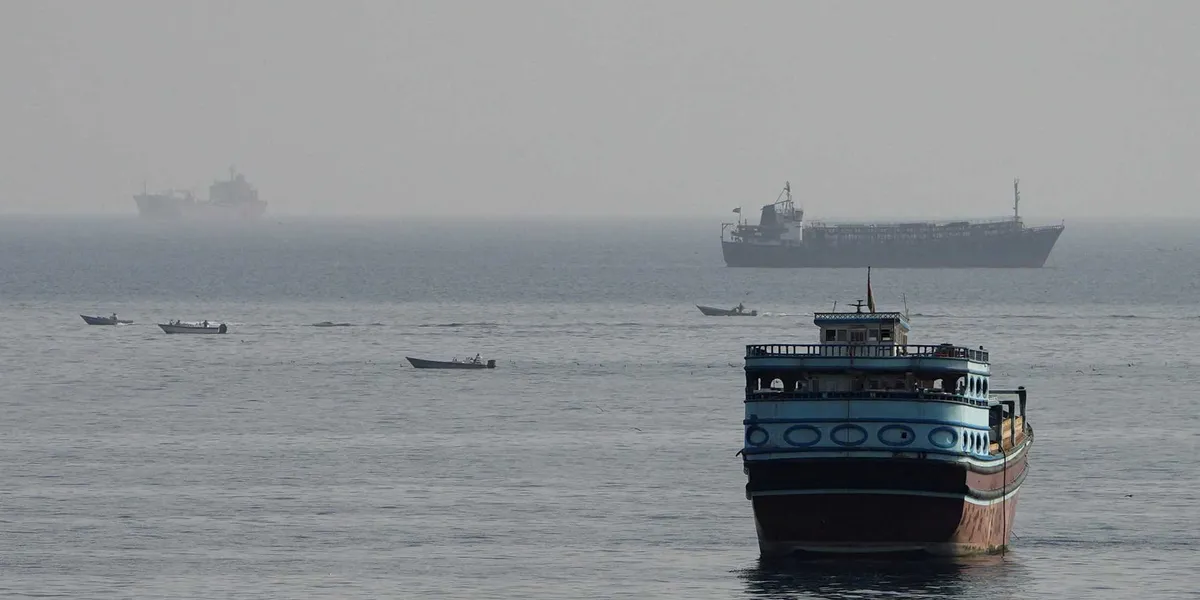
Stalled ships near the Strait of Hormuz amid President Donald Trump’s Iran war threaten more than just oil markets as scientists warn idling vessels could trigger an invasive species “super-spreader event,” according to reports on Tuesday.
Read more Sneaky GOP mulls plot to shield vulnerable Republican from unpopular Blanche vote: MS NOW
More than 1,500 ships have sat idle in the trade channel since the conflict began on Feb. 28 and experts revealed that organisms growing on hulls and hitchhiking on the vessels could devastate global ecosystems once trade resumes, USA Today reported.
“If you had to sort of design a worst-case scenario, it would look a lot like this,” Mario Tamburri, a professor at the University of Maryland Center for Environmental Science and the study’s lead author, told USA Today. “It’s a perfect storm.”
When ships don’t move for days or weeks, microbes, algae and other marine organisms can colonize the submerged parts of the vessel. Experts warned that after 10 days these organisms can hit the “rapid growth phase.”
“These organisms, when introduced to other ecosystems, can cause a wide array of consequences, from outcompeting native species to damaging infrastructure to introducing pathogens harmful to marine life and, sometimes, humans,” according to USA Today.
Read more Trump hopes Republican rocked by allegations pulls plug as crucial deadline nears: report
Tamburri called the situation unprecedented, adding that the high number of ships, estimated at about 1,500 vessels sitting along the trade route, could harbor “organisms that thrive in the Middle East waters, such as the Strait of Hormuz, Gulf of Oman and Persian Gulf.”
The organisms can adapt to areas that see extreme seasonal changes. Areas most at-risk for spreading these colonizers are near the strait and with similar high salinity and high temperature conditions, including ports in Southeast Asia and India. These are at higher risk compared to other locations, Tamburri said. He cautioned Singapore, an international hub for commercial shipping, could be a high risk.
“Those organisms can withstand extremes,” Tamburri said. “They’re tolerant organisms, which makes them good candidates for invasions when they go to a new location.”
Read more ‘Dissatisfied’ Trump tears up timeline on ‘priority’ project and forces work to start over