Relocating a retail business is a very different project from moving an ordinary office. A store contains merchandise, display fixtures, shelving, point-of-sale equipment, signage, stockroom supplies, and often bulky items that have to be moved without interrupting the business for too long.
For Hawaii retailers, the challenge can be even more noticeable when a new location needs to be prepared quickly. A carefully organized commercial relocation allows owners to focus on reopening rather than spending days figuring out where everything belongs. Businesses considering professional Hawaii Moving support can explore commercial relocation options at https://hawaiimovingservices.com/commercial-moving/ before setting their moving schedule.
Start With the Store’s Inventory
A retail relocation should begin with a clear understanding of what is actually moving.
Merchandise and business equipment should be considered separately because they have different handling requirements. Inventory may need to remain grouped by product category, while shelving, counters, display cases, and back-office equipment require their own loading strategy.
Separate Stock From Fixtures
Creating distinct groups for merchandise, fixtures, technology, office supplies, and unwanted items makes the move easier to control.
Retailers can also take the opportunity to identify outdated displays, damaged fixtures, or surplus stock that no longer needs to occupy space at the new location. Reducing unnecessary cargo can simplify both loading and setup.
Protecting Merchandise During the Relocation
A retail store can contain thousands of individual products, and not all of them can be treated as ordinary boxes.
Glass products, ceramics, electronics, cosmetics, clothing, artwork, and specialty merchandise may each require different packaging approaches. The goal is to preserve both the physical condition of the goods and the organization of the inventory.
For businesses incorporating Hawaii Moving into a larger relocation plan, advance preparation can prevent employees from spending valuable working hours repacking products that were not properly secured the first time.
Keep Product Categories Together
A simple labeling system can save substantial time after arrival. Boxes can be marked according to departments, product types, stockroom sections, or display areas.
This allows employees to begin restocking without opening every carton simply to discover what is inside.
Moving Retail Fixtures Requires Precision
Fixtures often take up more space than expected. Display shelving, checkout counters, mannequins, racks, cabinets, and glass cases can be awkward to maneuver through doors and loading areas.
Measure Before Disassembly
Before taking fixtures apart, consider how they will fit into the new store. Measuring entrances, elevators, corridors, and display areas can help determine whether certain components need to be dismantled.
Hardware should be stored in labeled containers rather than mixed into general moving boxes. A few minutes spent organizing screws and brackets can save considerable time during reconstruction.
Working Around Business Hours
A retailer cannot always close for several days while a relocation takes place. Depending on the business model, the move may need to happen after closing, during a quieter sales period, or in several stages.
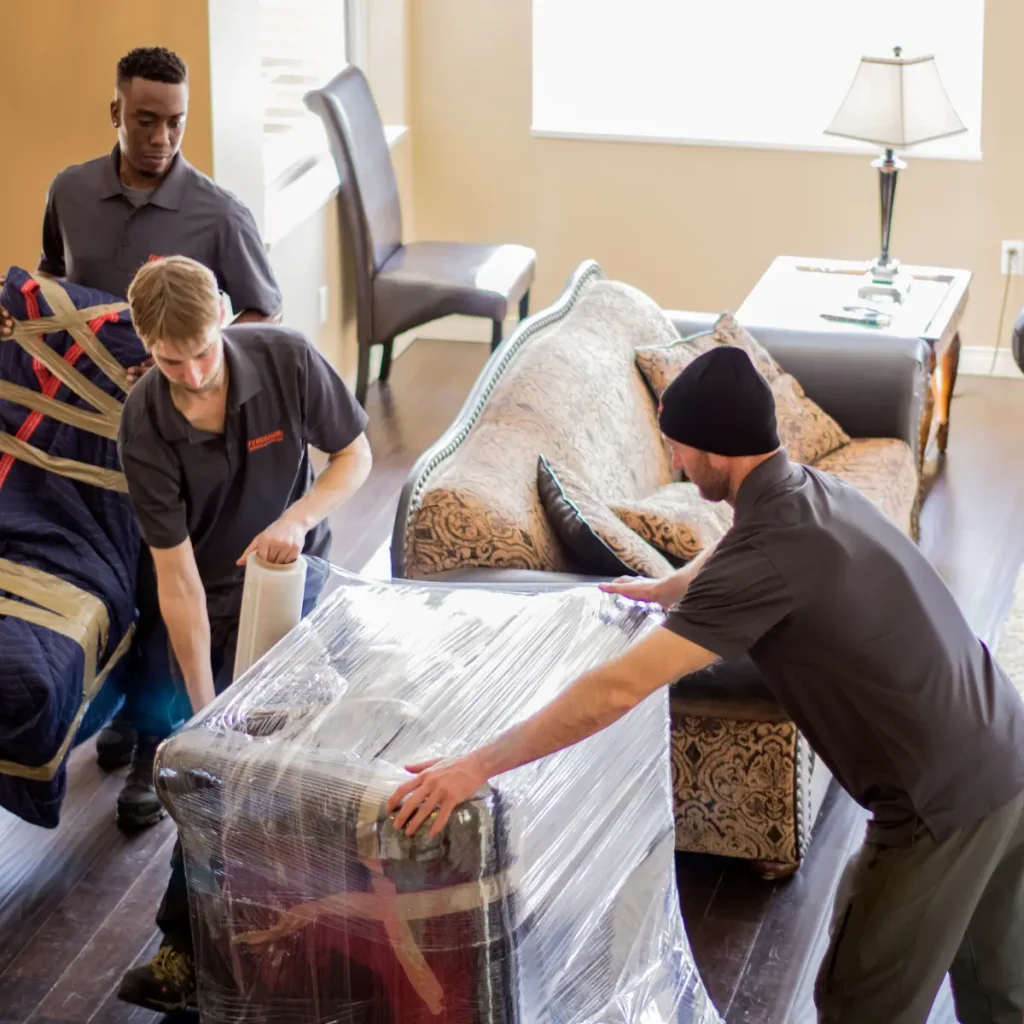
The schedule should account for the final operating day, inventory preparation, loading, transportation, unloading, fixture installation, and merchandise placement.
Create a Reopening Sequence
Not every part of the store needs to be completed simultaneously. Essential checkout equipment, primary displays, and high-priority merchandise can be addressed first.
Less critical storage areas and secondary displays can follow once the store is operational.
Coordinating Employees and Movers
Employees know the merchandise, but professional movers understand the physical logistics of transportation. Combining those strengths can make the relocation considerably smoother.
Store managers can identify priority areas and destination locations, while the moving crew handles lifting, carrying, loading, and placement.
Clear communication is particularly important for valuable or delicate merchandise. Movers should know which items require special attention before the relocation begins.
Preparing the New Retail Space
The new location should be ready to receive the shipment. If floors, walls, entrances, or display areas still require construction work, delivering merchandise too early may create unnecessary handling.
Ideally, the store layout should already be determined. A basic floor plan can show where shelving, counters, displays, and stockroom materials belong.
Turn Delivery Into Setup
When boxes and fixtures arrive in the right areas, employees can transition from unloading to arranging merchandise much faster.
This reduces the period between the physical relocation and the moment customers can once again shop comfortably inside the store.
Keeping the Retail Business Moving
A successful commercial relocation is measured by more than whether everything reaches the new address. For a retailer, the real objective is to minimize disruption while preserving inventory, equipment, displays, and operational continuity.
With thoughtful preparation and professional moving support, Hawaii retailers can approach relocation as a coordinated business project rather than a rushed weekend of lifting boxes. A clear inventory, carefully protected merchandise, organized fixtures, and a reopening-focused schedule can make the transition considerably more manageable.