A seemingly innocuous remark from President Donald Trump raised alarm bells for renowned international security expert Robert Pape on Wednesday, who went on to warn that the president’s comments were a likely precursor to an imminent military escalation in the Middle East.
Read more Bari Weiss is headed for a kick in the teeth
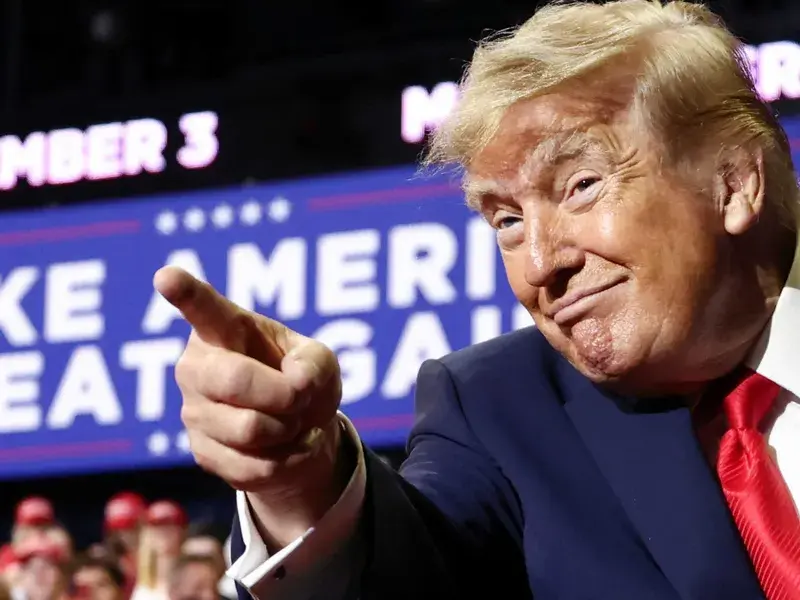
In a video interview with the New York Post published on Wednesday, Trump was asked whether he believed the U.S. blockade of the Strait of Hormuz would persist into September.
“It could be,” Trump told the Post’s Miranda Devine.
This single comment, coupled with the fresh round of Iranian strikes on Kuwait – which itself was a response to a U.S. strike on a Botswana-flagged oil tanker – led University of Chicago Professor Robert Pape to predict a major escalation in the U.S. war against Iran, and one that would be carried out “in the coming days.”
“The most likely outcome now is another American response. Not because President Trump wants a wider war. Because he cannot afford to appear passive after attacks on Kuwait,” Pape wrote in an analysis published on his Substack Wednesday.
“Trump has already begun signaling this direction. In a recent interview, he suggested that the American blockade of Iran could continue through Labor Day. That statement matters because it indicates that the administration is preparing for a prolonged confrontation rather than a rapid settlement.”
Read more Scott Bessent kept in the dark about Trump’s promotion of antagonist Pulte: report
The U.S. blockade of the Strait of Hormuz – a critical shipping waterway through which a fifth of the world’s oil trade historically flows – was enacted in mid-April in response to Iran’s blockade of the strait. While the naval operation has yet to drive down energy prices or pressure Iran into concessions, Pape argued it has since shed its strategic rationale and become little more than a “message” – one he feared would persist indefinitely and risk further escalations.
“The blockade is becoming part of a broader message: The United States intends to absorb pressure and keep going,” Pape wrote.
“That message is directed not only at Tehran. It is directed at every government watching from the Gulf. The problem is that every American move designed to demonstrate resolve creates pressure on Iran to demonstrate resolve in return.”
Pape continued, “That is the mechanism. Washington retaliates because it fears appearing weak. Tehran retaliates because it fears appearing weak. Each side believes it is preserving deterrence. Each side makes the ceasefire less stable.”
Read more Mike Pence faces CNN pushback after downplaying Trump priority: ‘He’s excited about it!’